
Window dressing
11:00 AM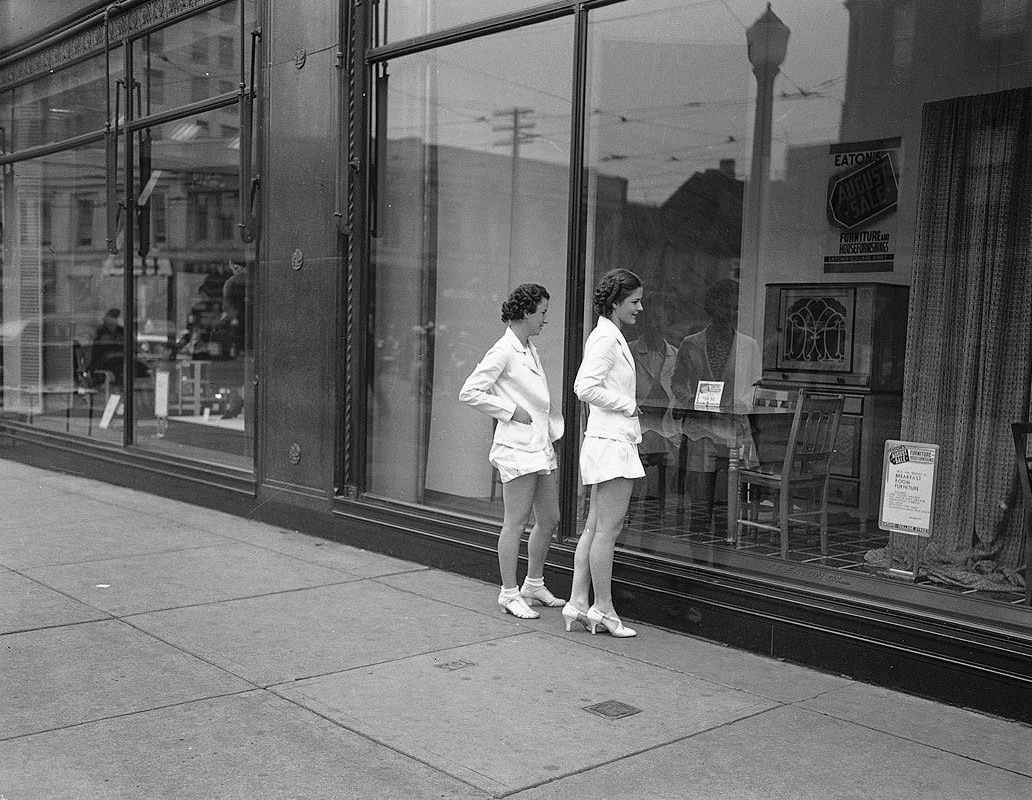
Here's the expected post about architecture & fashion I talked to you about some posts ago. Today I want to talk to you about something we see everyday and maybe we don't think about it too much, but can be considered another important point at fashion: window displaying and visual merchandising.
Why I consider this architecture? It's another way to create spaces, and creating a window display or a shop itself is somehow another way to designing an interior project. You must work with light, furniture, colors and lots of factors as you'd do on a house, on a work space as an office, etc. The goal here is that you want the client to gaze at the product you want to. You want to get someone's attention at what you're selling, and it has to look 200% incredible than it actually is.
Think about this: maybe you didn't have looked at that dress or shirt if a designer didn't put the light like this or that.
Think about this: maybe you didn't have looked at that dress or shirt if a designer didn't put the light like this or that.
There's also a relationship with fashion. As on the fashion field, there are lots of different styles and trends, and the goal is creating a sort of scenery where the garments are the main actors. So, let's make a brief summary of what's about window dressing and architecture at the service of fashion.
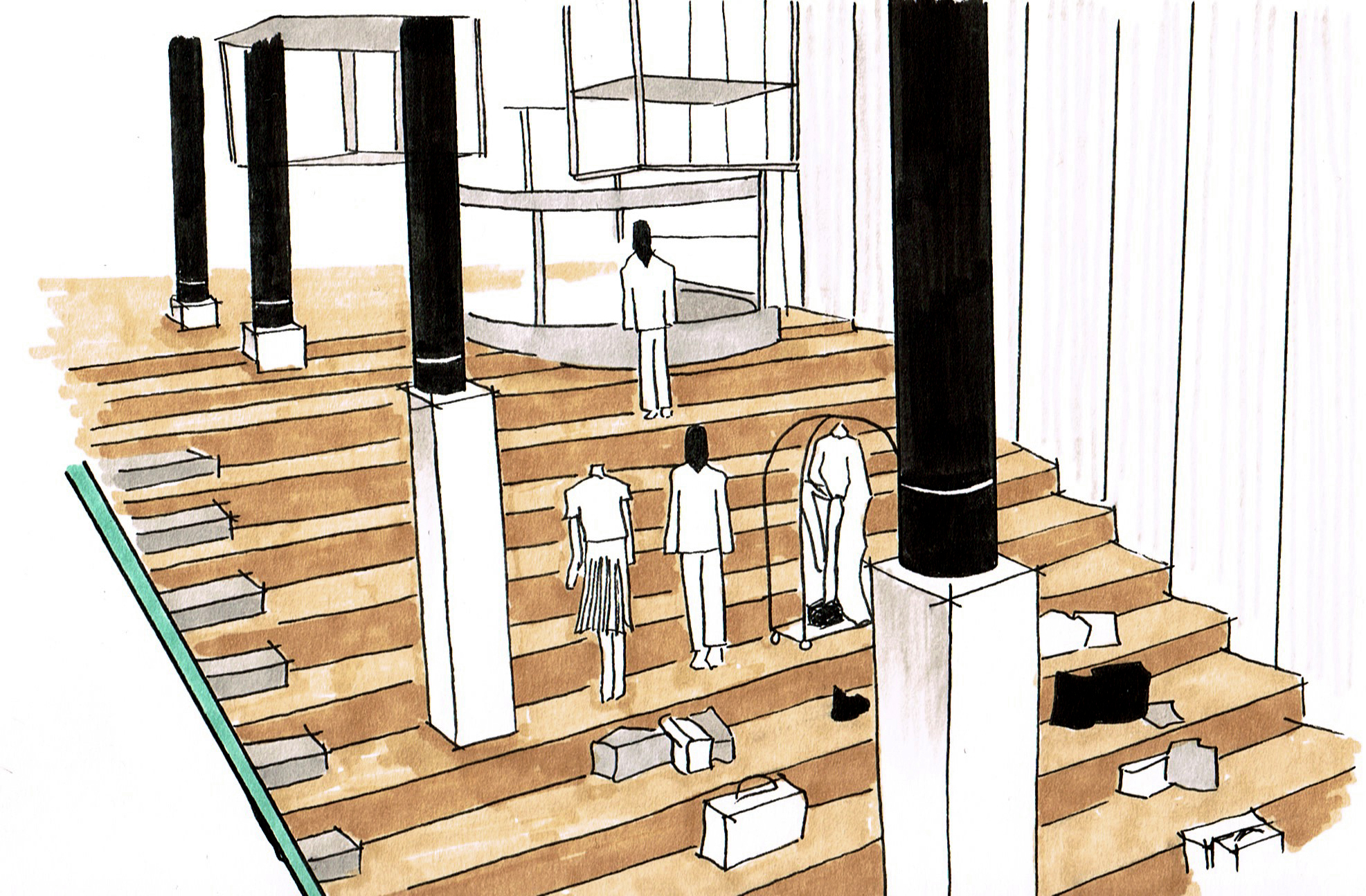
(Prada New York store, interior)
- What: Window displaying, and fashion shop design in general. The principal target is to attract the client and create a sort of visual impact.
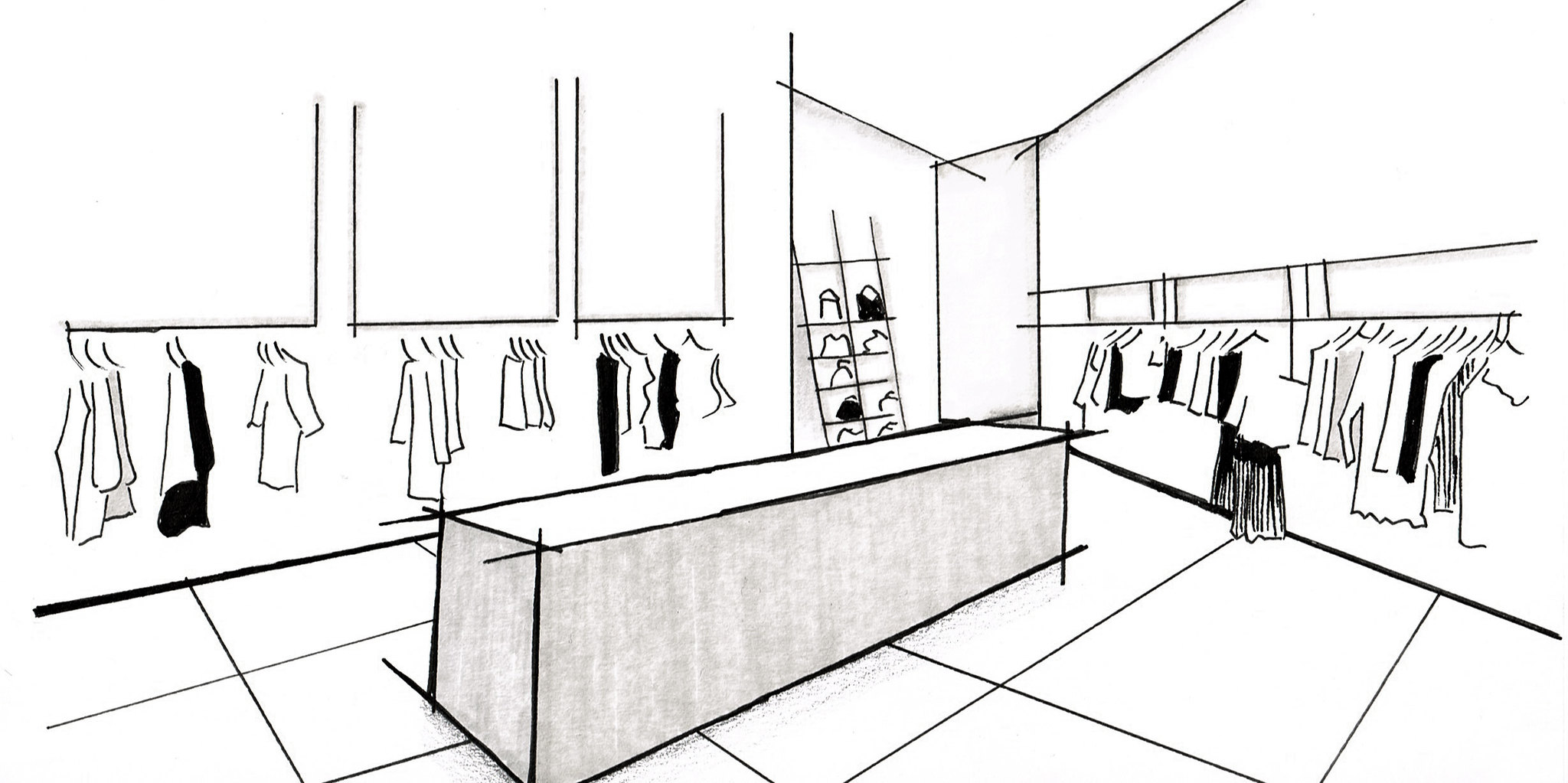
(Jil Sander, Paris)
- Who: Mostly architecture studios (Gabellini Associates planned the Jil Sander store in Paris, for example. Pritzker Award Winner Rem Koolhas was the architect in chief at Prada NY store) but also designers and ''window dressers'', some of them with special qualification or degrees focused in design or engineering. Sometimes there's a need not only of interior designers but also special technicians as architects, who must work on the project if there's a complicated structure involved or there's a building to create from nothing where you'll display the products.
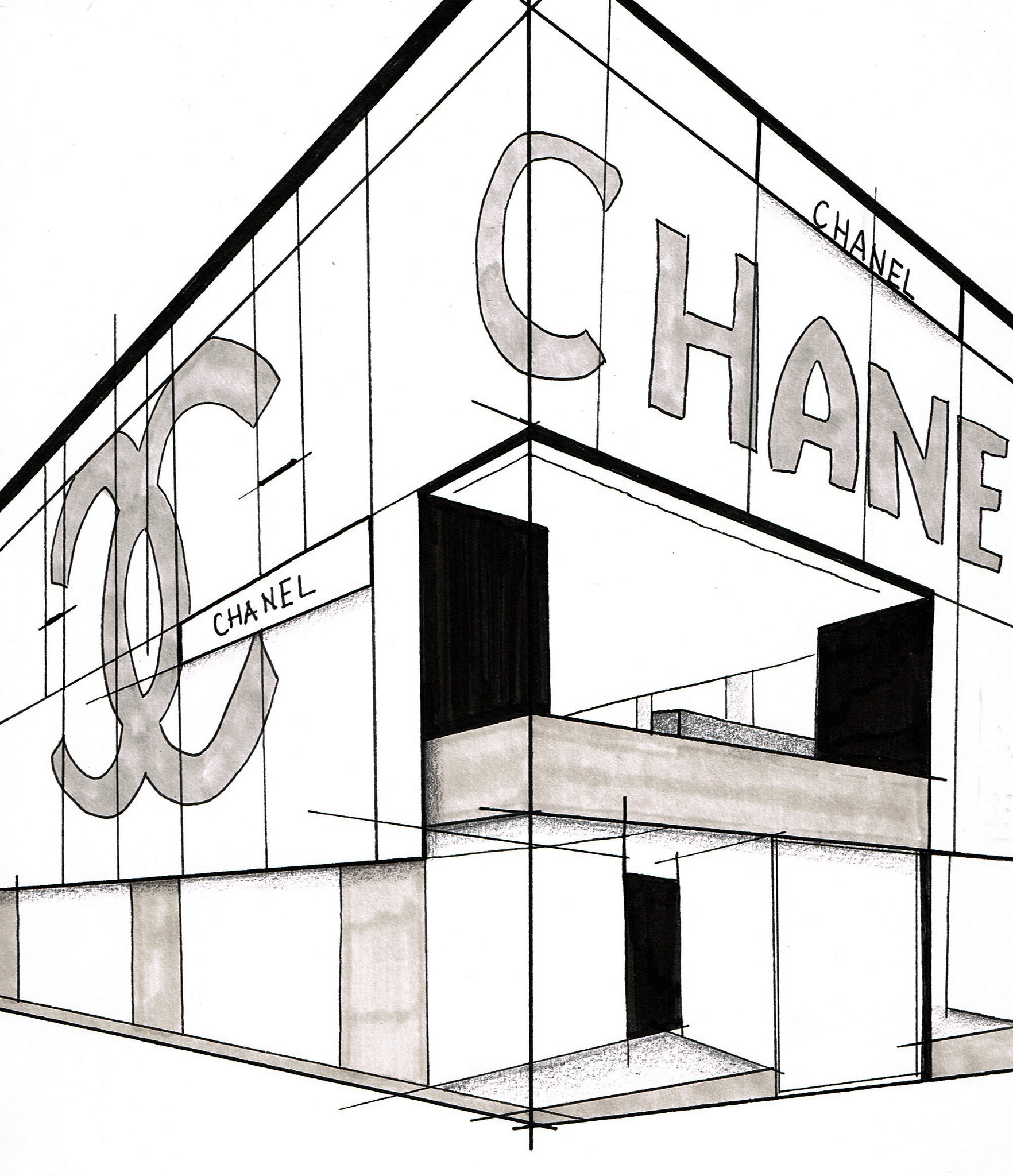
(Chanel Osaka store. Exterior)
- Where: usually at well-known brand stores and flagship stores which are in need of a new design which highlights their products, or which will help the brand build a concrete style or identity (ex: we usually associate Chanel with black and white, pearls, classy lines...). Luxury shopping centers as Saks 5th Avenue in New York, Galleries Lafayette in Paris and (my special mention ever) Harrods in London are also known for featuring espectacular window displays on special dates.
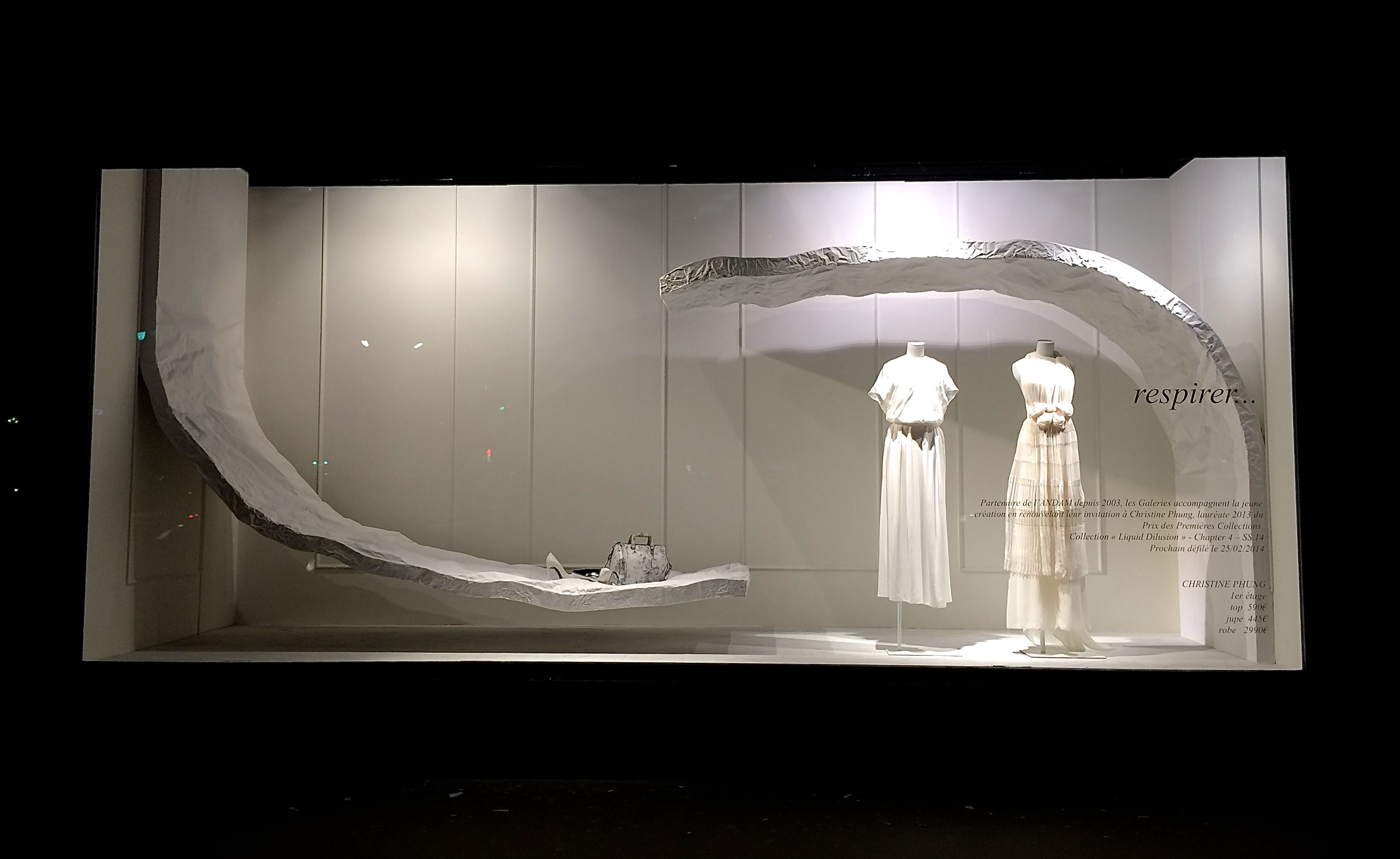
(Display at Galerries Lafayette, Paris)
- When: it started in the Industrial Revolution at XIX century in London, when some products started its mass development, and there also started a separation between the work place and the selling place. People began to like showing the novelty, and the appearance of a new social class, bourgeoisie helped to consolidate the consumerism phenomenon.
- Why: some brands cover generations and win unconditional clients which will recognize their products all over the world. Some designs are made for modify consumer's behavior, and the phrase: ''Tell me which brand/store you buy in, and I'll tell you who you are'' may be a great example of this. So, some displays are made for giving an identity, or following the brand's philosophy, while others are just for highlighting certain products or trend.
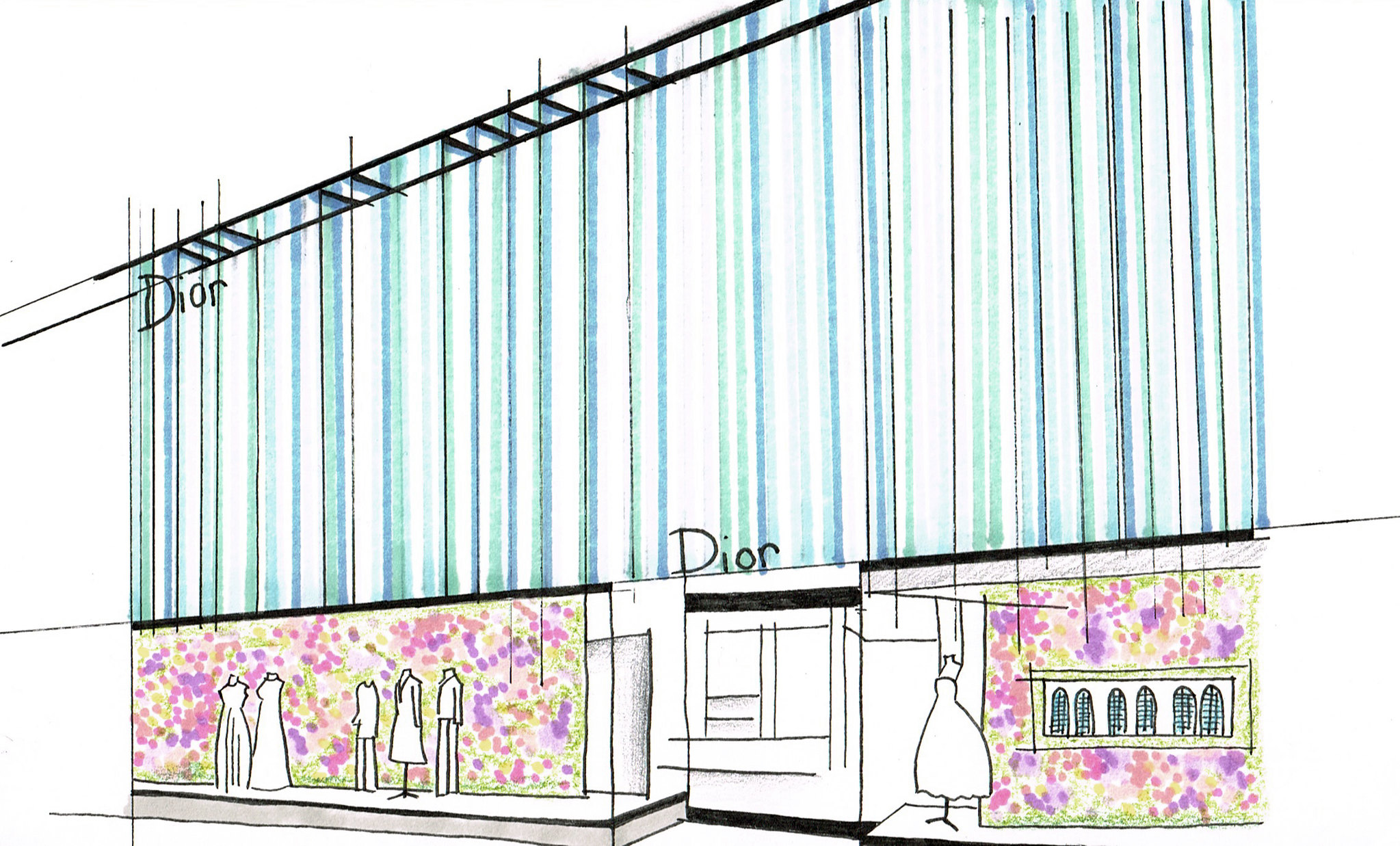
(Dior, Beverly Hills)
- How: there are infinite combinations of styles, illumination, colors, furniture, etc. Basically, it all depends on what's the first impression you want to offer, and who's the public you're focused on (by age, genre, social status...). Once you have that, it's time to offer the product, and play with lights, textures, interactivity and work out the general layout.
All illustrations are © Amanda Ramón for SomethingFashion
![About [span]me[/span]](https://farm5.staticflickr.com/4335/35565816704_416c791419_o.jpg)


4 comentarios
this was definetly an interesting post!
ReplyDeleteand i agree with you, designs do modify a consumer's behaviour xD
followed you xoxo
http://oliviiaaaaa.blogspot.com.au/
Great post dear! Putting studies into fashion perspective in your post! Cool! :)
ReplyDelete★♡ Why I love Clothingloves.com ... (^_^) ♡★
Perfect Office-Friendly Fashion Dresses from Clothingloves.com
... and how it's easy to dress up at work with them!
❤ ~Chai
http://chenmeicai.blogspot.com
http://www.facebook.com/ChaiChenPage
Well, that's my job ;-) I belong to the people who display clothes and other things, style mannequins... I love it :D
ReplyDeletelovely
ReplyDelete